Before you begin
I would rather a direct question make a conversation briefly awkward than let a comfortable assumption decide the relationship for both people. You deserve to know what you are agreeing to. So does the person you are dating.
Know the difference between dating and an exclusive relationship
Dating describes the time you spend getting to know each other. An exclusive relationship means you have both agreed to stop pursuing other romantic connections, with an understanding of what that includes.
The important word is agreed. One person deleting an app, introducing the other to a friend or mentioning marriage someday does not establish a shared agreement on its own.
I remember being struck, during my early reading about Filipino courting, by the attention given to patience and clear intention. It made me think more carefully about how someone’s consistency can show care. But nobody’s nationality, or familiarity with a courtship tradition, tells you whether that person has agreed to exclusivity with you. Ask them.
You can value an unhurried beginning and still speak clearly about what is happening now. You do not have to wait until you have solved the entire future before discussing the next stage.
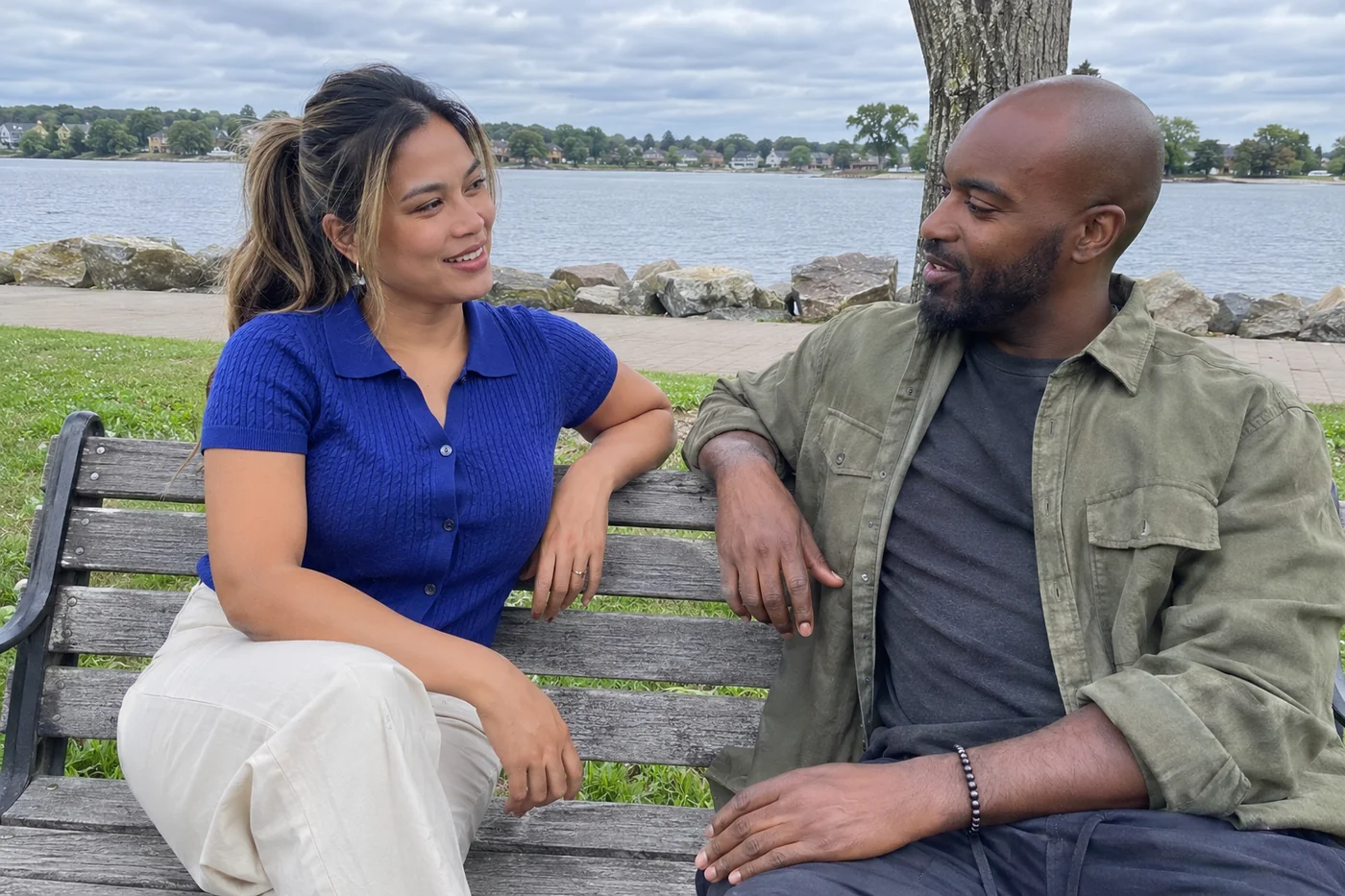
Choose a moment with room for an honest answer
There is no number of dates that can give you an answer on someone else’s behalf. Start the conversation when exclusivity matters to you, especially before making plans or decisions that depend on it.
Choose a time when you can both pay attention. Across time zones, ask for a call when neither person needs to leave for work or go straight to sleep. My communication guide can help you find a workable moment.
You can introduce the subject without delivering a surprise ultimatum: “I would like to talk about where we are and what we each want next. Would you have time for a call this weekend?”
Leave the other person free to answer differently. A conversation is more useful when “not yet” or “I do not want that” is something they can actually say, even if it is disappointing to hear.
Say what you want without hiding it inside a test
If exclusivity is what you want, use words that say that. A suggestion to adapt is: “I enjoy getting to know you, and I would like to date each other exclusively. I mean that I would stop pursuing other romantic connections. Is that something you want too?”
Then listen. Let your partner describe what they understood before moving on to practical details. If you are communicating in a language that is not native to one or both of you, a simple follow-up helps: “When you say exclusive, what would change for you?”
Avoid questions designed to make someone prove themselves. “If you cared, you would already have deleted the app” presumes an agreement you may never have made. Ask for clarity rather than evidence of obedience.
If you are unsure of your own answer, say that, too. Do not offer exclusivity to keep someone close while privately continuing to look elsewhere.
Discuss what changes, and what does not
If you both want exclusivity, cover the practical questions while you are still talking. You are trying to avoid each person leaving with a different version of the same conversation.
- Will you both stop going on dates or pursuing new romantic conversations with other people?
- What will you each do about dating profiles or conversations already in progress?
- Is there an existing connection or situation either person needs to explain?
- How would you raise the subject if your wishes changed?
Use your own words. Do not demand screenshots, passwords or access to private messages as a condition of being believed. Love is respect’s guidance on digital boundaries explains why couples need room to discuss online privacy and expectations.
Exclusivity does not erase a life outside the relationship. Friendships, work, family connections and time alone still matter. Being exclusive also does not, by itself, settle marriage, moving countries or when you will meet. Give those decisions their own conversations.
Know what to do with yes, not yet and no
If you both say yes, put the agreement into a few plain sentences. Each person should be able to describe it without being coached. Then follow through on the actions you chose, rather than repeatedly asking the same question for reassurance.
If the answer is not yet, ask what that means. Is the person asking for more time to get to know you, or saying they do not currently want exclusivity? If you both want another conversation, choose a time. You do not have to accept an arrangement that leaves you unhappy while waiting for an answer.
If the answer is no, take it seriously. You can thank the person for being clear and decide whether continuing to date suits you. Do not argue them into a different answer or quietly behave as if they said yes.
Sometimes the difficult answer is vague. “Let’s just see” may describe a real preference for keeping things open, but it does not provide the exclusivity you asked about. You can say: “I understand you are not agreeing to that now. I need to decide whether this still works for me.”
Look for follow-through without turning the relationship into an audit
If you are looking for signs of a serious relationship, start with whether words and chosen actions match over time. Does the person return to important conversations? Do they respect the agreement and tell you when something changes? Do you do the same?
None of those observations lets you read someone’s mind. The agreement comes from the conversation, and trust grows through the way you treat it afterwards. If there is a specific contradiction, discuss what happened rather than setting a secret test.
Something to use today
What are we choosing?
Leave the exclusivity conversation with the same understanding of the agreement, actions and unanswered questions.
Each person writes their wish, record only what both agreed, then choose voluntary actions and how to reopen the conversation.
A little clarity for your next step.
Explore the personal introduction process
Mélih
I bring foreign men and Filipina women together through private introductions and personal guidance. Get to know me.