Before you begin
Ask about commitment, family, faith, money and future plans in ways that invite her own answers. Share yours with the same openness.
If you are American and she lives in the Philippines, distance adds practical questions. If you live in the same country, your backgrounds may still shape what feels familiar. In either situation, the useful details come from the two of you.
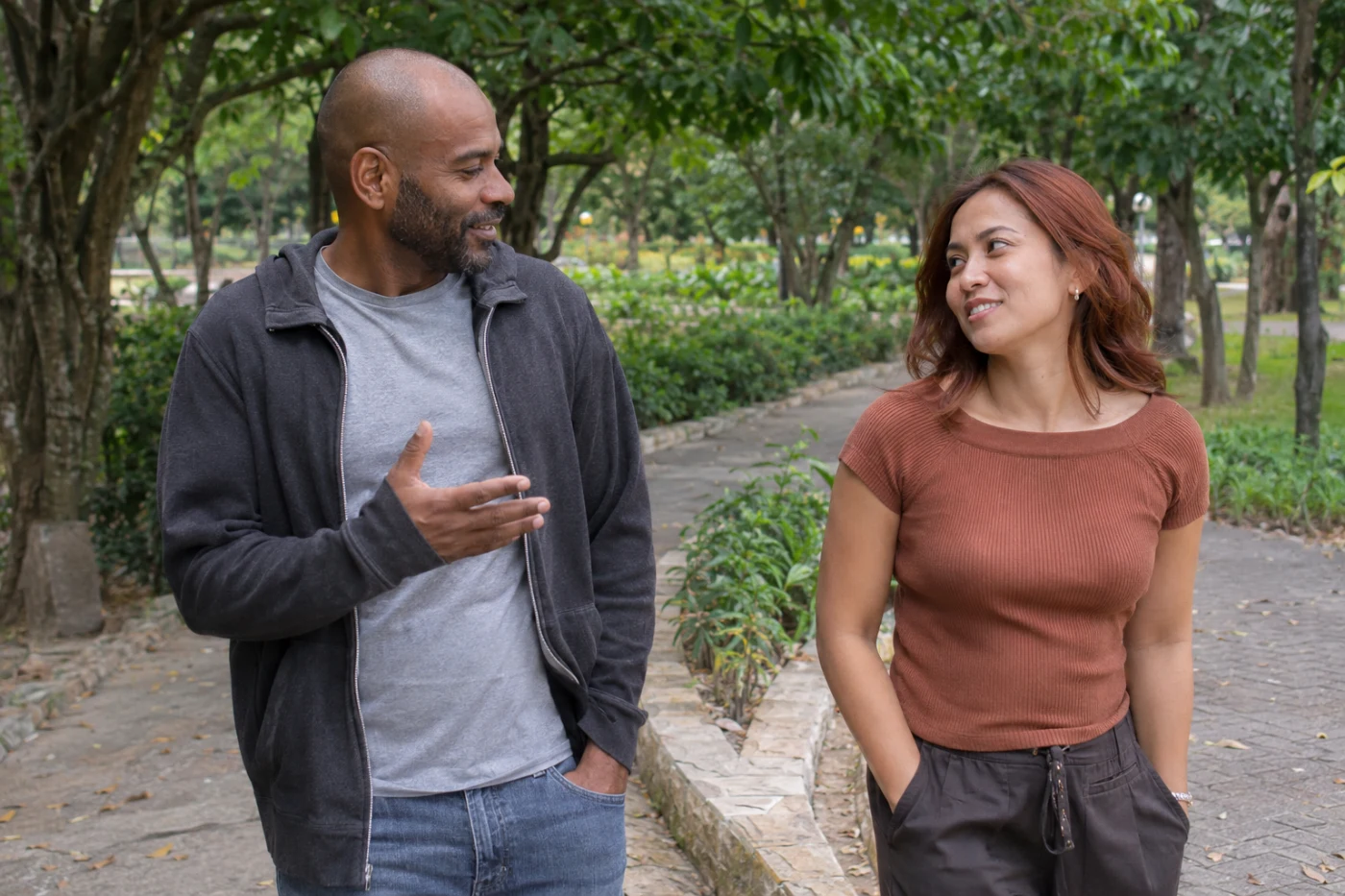
Find out what taking things seriously means
Two people can both want a serious relationship and imagine a different path towards it. One might want several conversations before using a relationship label. The other might want to discuss exclusivity early so they know where they stand.
Ask what matters now, then explain what matters to you. “I’m looking for a committed relationship. What would you want to understand about us before deciding to be exclusive?” opens a conversation without setting a deadline for someone else.
Be clear about your current situation, too. If you are also speaking with other people, have children or have recently ended a relationship, those details can affect the choices you both make. Privacy and honesty can sit together: share relevant facts without demanding someone’s whole personal history at once.
Culture is a starting point for questions
You may have read about Filipino dating culture or received advice from friends. Use that background to ask better questions, then listen to the answer this person gives you.
If you are unsure whether a date invitation feels too forward, ask how she would like to make plans. If you are wondering about a gesture, a term of affection or a relationship label, talk about what it means to each of you.
Leave room for different preferences. Dating a Filipino woman does not come with a single timetable, set of beliefs or definition of a good partner.
Talk about family and faith in everyday terms
Family and religion can mean different things in someone’s daily life. Go beyond a label and ask what she would want a partner to understand.
You might start with: “Who are you closest to?” or “What does time with your family usually look like?” Share your own answer before moving into more personal questions.
As the relationship develops, ask how she would like you to meet the people who matter to her. Discuss the setting, timing and anything that would help everyone feel comfortable. An introduction to relatives deserves a conversation about its meaning, especially if you interpret that step differently.
Faith can be approached just as concretely. Ask which practices, celebrations or commitments matter to her, and explain your own. If you imagine raising children together, discuss what you each hope to pass on to them when that conversation becomes relevant.
You can be interested in a tradition and still be learning about it. A question such as “What would you like me to know before I join you?” gives her room to guide you in her own words.
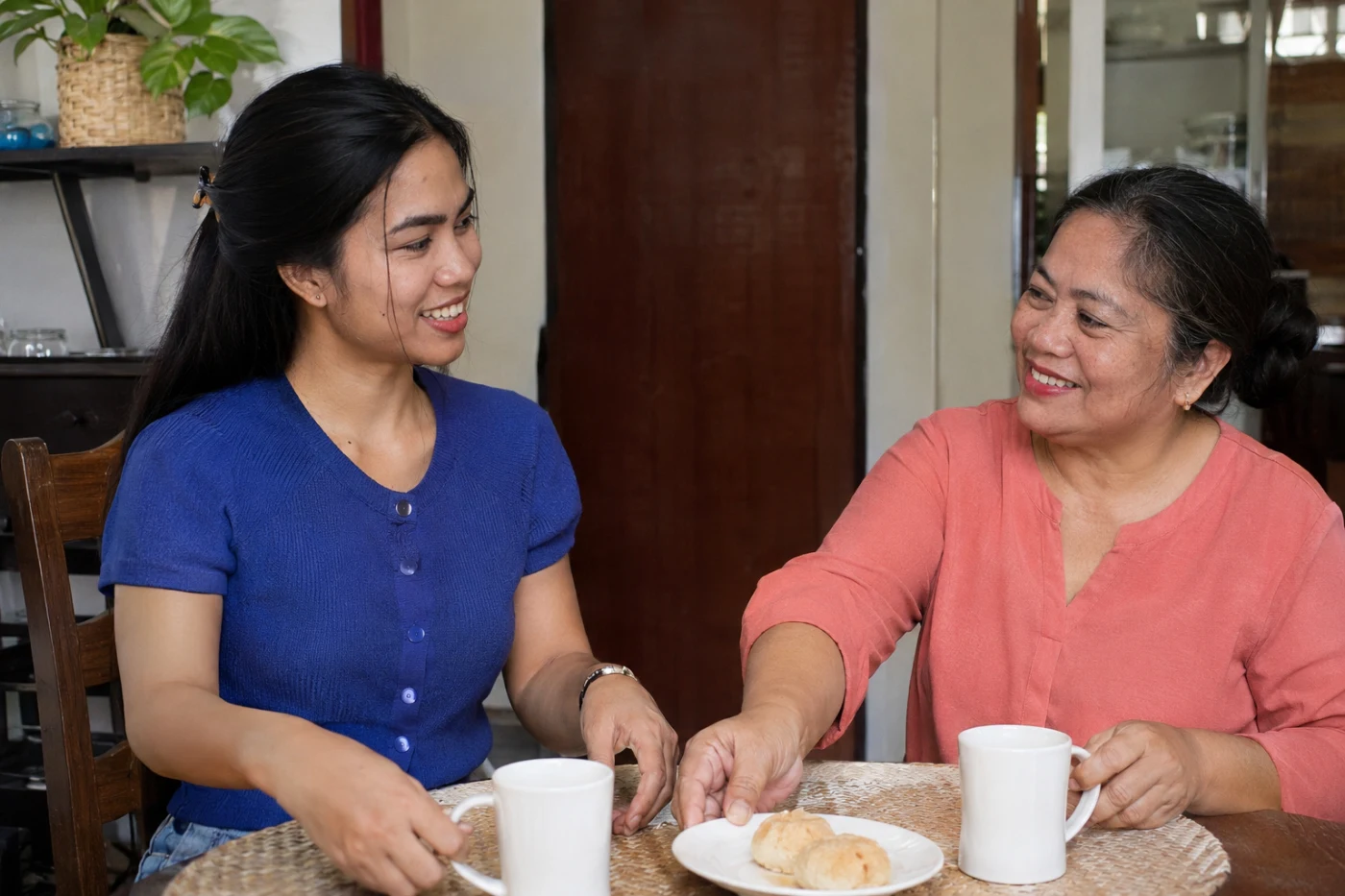
Make room for different ways of communicating
Early conversations rarely give you the whole picture. Someone may be tired, choosing words carefully, speaking in a second language or simply taking time to decide how they feel.
If a message feels unclear, ask about it before assigning a motive. “When you said you wanted to take things slowly, did you mean fewer calls, more time before meeting, or something else?” is easier to answer than an accusation that the other person has lost interest.
Share your own communication preferences in practical terms. Explain when you can usually reply, how you handle a difficult conversation and what helps you feel heard. Ask what works for her, too.
For a connection across countries, check both locations when arranging a call. Make a simple agreement about what to do if work, family or an unreliable connection changes the plan. A message saying when you can next talk can prevent a missed call from becoming a larger misunderstanding.
During a disagreement, leave each other space to speak and to return to the topic. Being able to say “I understood that differently” or “I need some time, but I want to talk tomorrow” gives you something specific to work with.
Give money and future plans a clear place
The practical parts of a relationship deserve the same openness as the romantic ones. Before a date or visit, discuss what you are each comfortable spending and how you want to handle the arrangements. You can agree on a modest plan that feels comfortable for both people.
As commitment grows, talk about work, savings priorities, children and any support either of you already gives to relatives. Describe actual responsibilities and limits rather than guessing what someone expects because of where they come from.
Keep generosity separate from pressure. A partner should be able to raise a concern, decline an expense or ask for time to think.
For a connection that still exists only online, follow the US Postal Inspection Service’s guidance on romance scams: keep your finances protected and avoid sending money to an online love interest you have never met in person.
Future plans also need two voices. If living in the same place becomes a shared goal, compare what each option would mean for both careers, children, family ties and independence. Ask which possibilities each of you would genuinely consider before treating a move as the expected next step.
You can explore those questions gradually. The important part is making the decision together, with enough information for each person to choose freely.
Use a conversation map, then keep listening
Choose one topic for a conversation. Share your own answer, ask a follow-up and let the discussion move naturally. This map gives you a place to start without turning a date into an interview.
| Topic | A question to open with | What to share about yourself |
|---|---|---|
| Commitment | “What would help you feel ready to make this relationship exclusive?” | What you are looking for and what you need to understand first. |
| Family | “What would you like a partner to understand about your family?” | The relationships and responsibilities that shape your life. |
| Faith | “Which beliefs or practices matter in your everyday life?” | What you value and how you would approach a difference. |
| Communication | “How would you like us to handle a missed call or a disagreement?” | Your availability and a way to return to a difficult topic. |
| Shared plans | “What would living closer mean for the life you already have?” | The possibilities you can consider and the commitments you need to keep. |
Afterwards, notice what the conversation has made clearer. You may find something you both want, a difference you can discuss or a point that needs more time. Give the other person the same freedom to reflect.
At Mélih, I consider both people’s wishes before proposing a private introduction. Each person can ask a question or decline, and selected contacts are shared after both agree. That gives you a starting point for learning about each other; you both decide where the relationship goes from there.
If you would like that kind of support, see how a personal introduction works. Bring your own hopes and your real circumstances into the conversation, and make room for hers.
Something to use today
One topic. Two points of view.
Use one conversation to distinguish your own wishes, the other person’s actual answer and what remains open.
Choose one topic you both feel comfortable discussing. Each person answers; write short notes, not a verdict.
A little clarity for your next step.
Explore the personal introduction process
Mélih
I bring foreign men and Filipina women together through private introductions and personal guidance. Get to know me.